“Love is patient, love is kind. It does not envy, it does not boast, it is not proud. It does not dishonour others, it is not self-seeking, it is not easily angered, it keeps no record of wrongs. Love does not delight in evil but rejoices with the truth. It always protects, always trusts, always hopes, always perseveres. Love never fails.”
1st Corinthians 13:4-8
February. Love is in the air (yes, I know I missed the Valentine’s Day edition). Couples rush to get one another gifts, and floral shops around the world suddenly find themselves with no roses left.
The rose. What a vain, pompous flower. It has somehow become a universal symbol for love, even though it seems to celebrate the most superficial parts of it. Beauty, passion, desire- these emotions are just the tip of the iceberg of what love is. So I would like to propose a new flower to represent love in its entirety. Let’s talk about sunflowers.
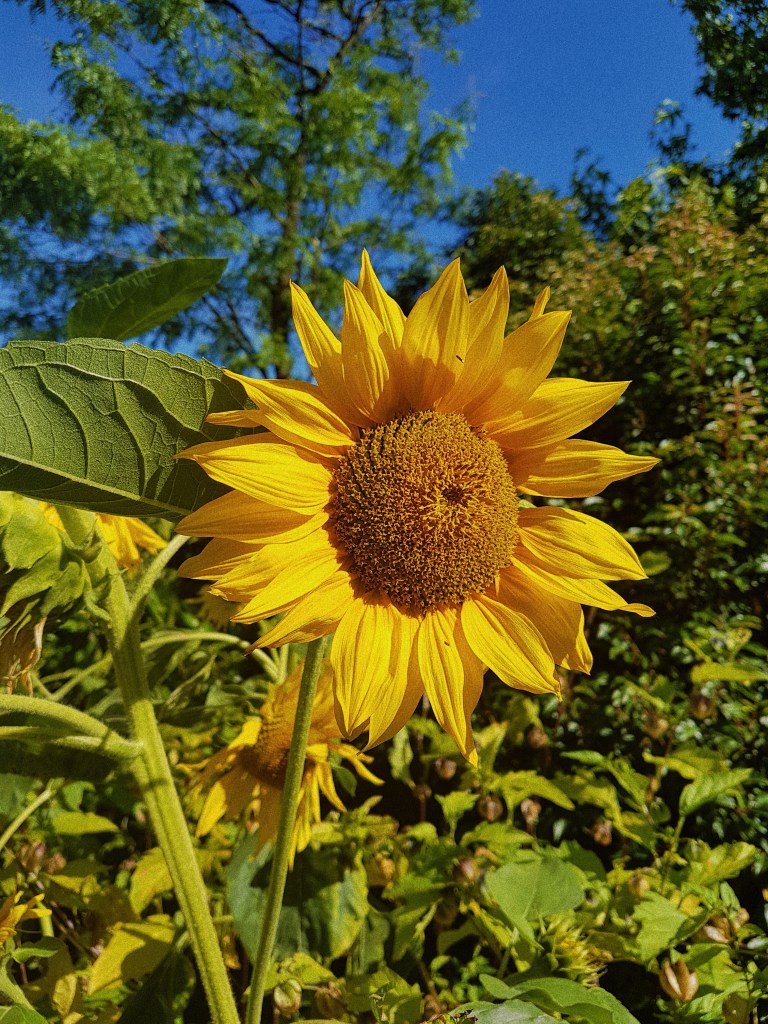
Their large, lemon petals, and their heads that turn to face the sun at any given time of day. When light irradiates the flower, it seems to mimic the sun itself. A bundle of brightness. Their shimmering, lustrous petals evoke joy.
Sunflowers are known for facing the sun, which they do because it proves to be advantageous to them. Like all living beings, they have Circadian clocks, which are what allow them to face the east as the sun rises, and the west as it sets. The hormone auxin plays a role in this as well. By facing the sun, the petals of the sunflower are warmed and brightened, making them more attractive to pollinators.
Similarly, by basking in love, human beings benefit. From the tender age of 4 months, babies begin to pick up on cues from their caregivers that aid in both long-term psychological well being, as well as the development of their ability to respond to verbal and non-verbal cues (for example tone of voice and facial expressions). On the other hand, children who are deprived of this familial love are significantly more likely to grow into emotionally damaged adults. Also, as we grow into more loving and affectionate individuals, we tend to attract people who are as loving and generous as us, a phenomenon described as homophily, the same way that sunlight attracts pollinators to sunflowers. This means more happiness, as your friends will be people who reciprocate the affection you give them.
But here’s the interesting part – Harry Reis, a professor of psychology and co-editor of the Encyclopaedia of Human Relationships, says that
“There’s no evidence that the intense, passionate stage of a new romance is beneficial to health. However, there is very nice evidence that people who participate in satisfying, long-term relationships fare better on a whole variety of health measures”
(source: WebMD)
Some of these positive measures include lower blood pressure, less anxiety, less substance abuse, faster healing, and a longer, happier life. Roses help celebrate the romantic love that we’re used to seeing in movies- the kind that brings about an exhilarating rush of neurotransmitters, but can leave you feeling exhausted. Sunflowers, on the other hand, represent what Dr. Reis described. Love that is built on constancy and dependability. Love that brings companionship and loyalty, not just an intoxicating glee.
The colour of a sunflower makes it more apt to represent love as well. Red roses, which are often gifted between lovers, means passion. Although used to celebrate love, it also evokes anger. It means war, strength, bravery, and desire. Red is such a bright colour, that it can elicit physical responses like quickened heart and breath rates, or higher blood pressure. This sounds an awful lot like what love can be. Full of passion, excitement, and lots of adrenaline. But it can also be a war, brimming with frustration and wrath.
Yellow, on the other hand, is a colour of loyalty and friendship. The colour of joy, clarity, and enlightenment. The colour of growth– after all, our very source of life comes from a yellow ball in the sky. This is what love should be. Founded on friendship and trust, held up by the pillars of stability and growth, roofed by joy.
Love is such a powerful, guiding force. When made the centrepiece of all that you do, you will suddenly find yourself ablaze with purpose and meaning. It illuminates our lives, filling our otherwise monochromatic world with colour. It brings us immeasurable joy, giving us a sanctuary to be vulnerable. It doesn’t matter who you love, and what the nature of that love is. But in whatever form, allow yourself to chase love. Love for yourself, your family, your friends. For your community, humanity, and the earth. Allow it to shepherd you, to ground you and bring you home.
We are sunflowers, searching constantly for sunlight. The sunlight keeps us warm, keeps us alive, and gives us purpose. Remember to look around at the sunflowers next to you, the people who love you and are on this journey with you. Thank them for being here. In 2020, resolve to have a year full of the giving and receiving of love. I promise, it’ll change your life.
Written by Sneha Sarah Thomas, edited by Natalia Lisa George
 The Casual Observer