
As students. We can often get lost in our own microcosm, preoccupied with our own lives and circumstances. As a result, the individuals that probably toil the most are some of the most undervalued and underappreciated. They are none other than the migrant workers.
Empirically, the Oxford dictionary defines a migrant worker as “ a person who moves to another country or area in order to find employment, in particular, seasonal or temporary work”. Considering that most of our school comprises individuals of foreign origin, it is often easy to forget that we share a lot more in common with the construction worker working on the street right outside our house, than we may think.
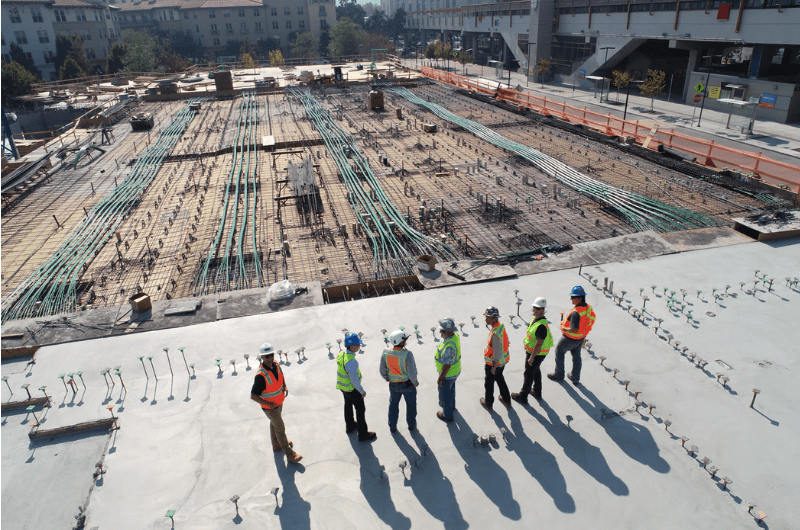
According to New Naratif, the main host countries that migrant workers come from are the Philippines, Indonesia, China, Bangladesh, India, Myanmar, Sri Lanka, Thailand, Cambodia, and Malaysia, and they concentrate their type of profession into primarily manual labor industries such as construction, shipbuilding and repair, conservancy and household work. Many of these people are compelled to leave their families to settle down in an alien country to provide for bread on the table. But are these migrant workers really able to settle comfortably in a new country, or are they being exploited? And how much do we even really know about their situation?
Well, in Singapore itself, the regulations make life quite tricky, or rather, the absence of enough regulations. This especially impacts the most vulnerable group – low-wage temporary migrant workers.
Many of the most vulnerable workers are stripped of the opportunity to bring their families with them and their permits tend to expire as soon as their contracts are fulfilled or terminated. This essentially translates to the fact that they haven’t really been inculcated into the local community, because it takes time and stability to develop connections with locals, making these individuals victims of social detachment and even isolation.
Following the nature of their work and their unfamiliarity with a much higher standard of living, migrant workers can often fall prey to the inadequacies created by their employers who compromise on their living and working conditions to save a little bit of cash. Some unfortunate instances include low and unpaid wages, harsh working environments, poor living conditions, indebtedness, sudden termination of employment, abandonment by employers, physical and psychological abuse, and forceful repatriation.
The sad part about all of this is that although there are some laws set up to protect these hardworking individuals, there is often still a disparity in the quantity and quality of these. This gives employers incentives to bend around the rules and not provide workers with an adequate reward for all their hard work.
Evidently, hitting you, readers, with all this information will make you ask the question, why should I even care? I am young and have a bright future ahead of me, why does this matter to me?
Well, the answer to these questions is actually much more impactful and insightful than you would think.
The workforce in Singapore has seen a decline in the last decade and as Singapore continues to suffer from an aging population problem, the best short term solution is to welcome migrants with open arms.
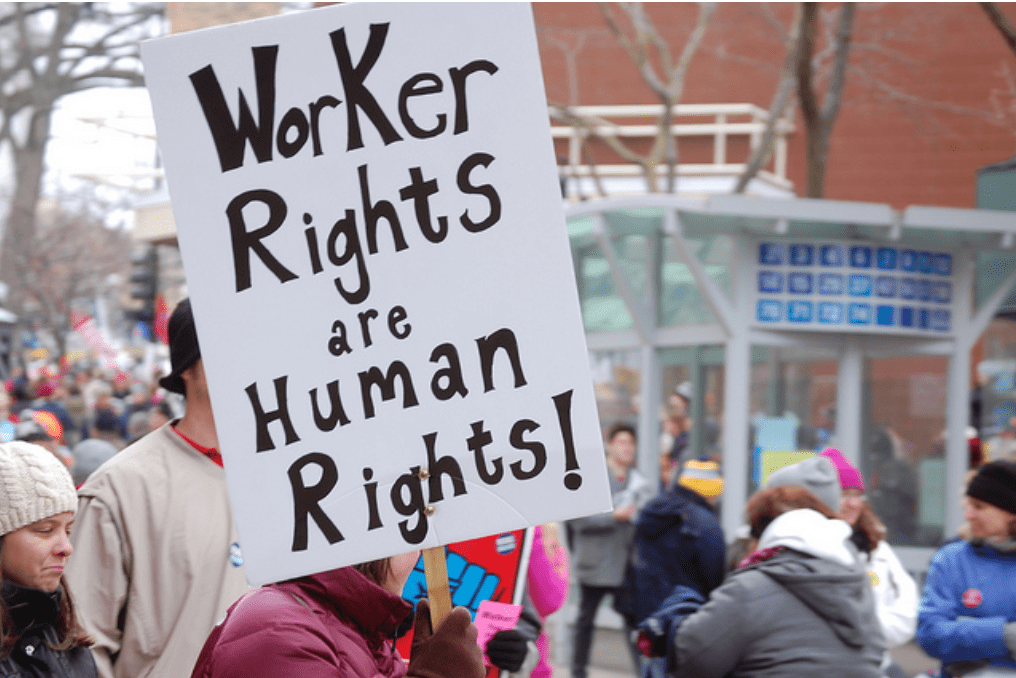
About a third of Singapore’s 3 million-strong labor workforce comprises of non-residents, a majority of them being low-wage temporary workers. These are the people who struggle while doing the ‘dirty work’ so that you and I can have an impressive skyline to be proud of. Sure the design may have been done by a world-class architect, but it was the hands of the silent that slowly built it up. If all these diligent workers were to leave, the effects on Singapore as a society would be disastrous.
Despite all of this, the statistics show that only one in four Singaporeans think migrant workers are necessary for the economy, further exhibiting how undervalued and unnoticed they are in the everyday local’s eyes.
That’s when my Global Perspectives team and I asked ourselves a vital question,
“Are migrant workers exploited and what are its possible consequences on their lives, and possibly even ours?”
This was what sparked the birth of our project to help widen other people’s frame of vision by first, of course, educating ourselves about this issue.
We hope that through our project, we will be successful in imparting the general public with more empathy and knowledge towards our fellow human beings, inspire positive mindsets and cultivate more understanding.
Follow our Instagram @workerrightsmatter to learn more about our project! You can also check out our website https://workerrightsmatter.weebly.com/
By Jia Dsouza on behalf of Worker Rights Matter, A Human Rights Initiative
 The Casual Observer