by Archisha Mukherjee
Every piece of clothing we decide to wear is an extension of who we are.
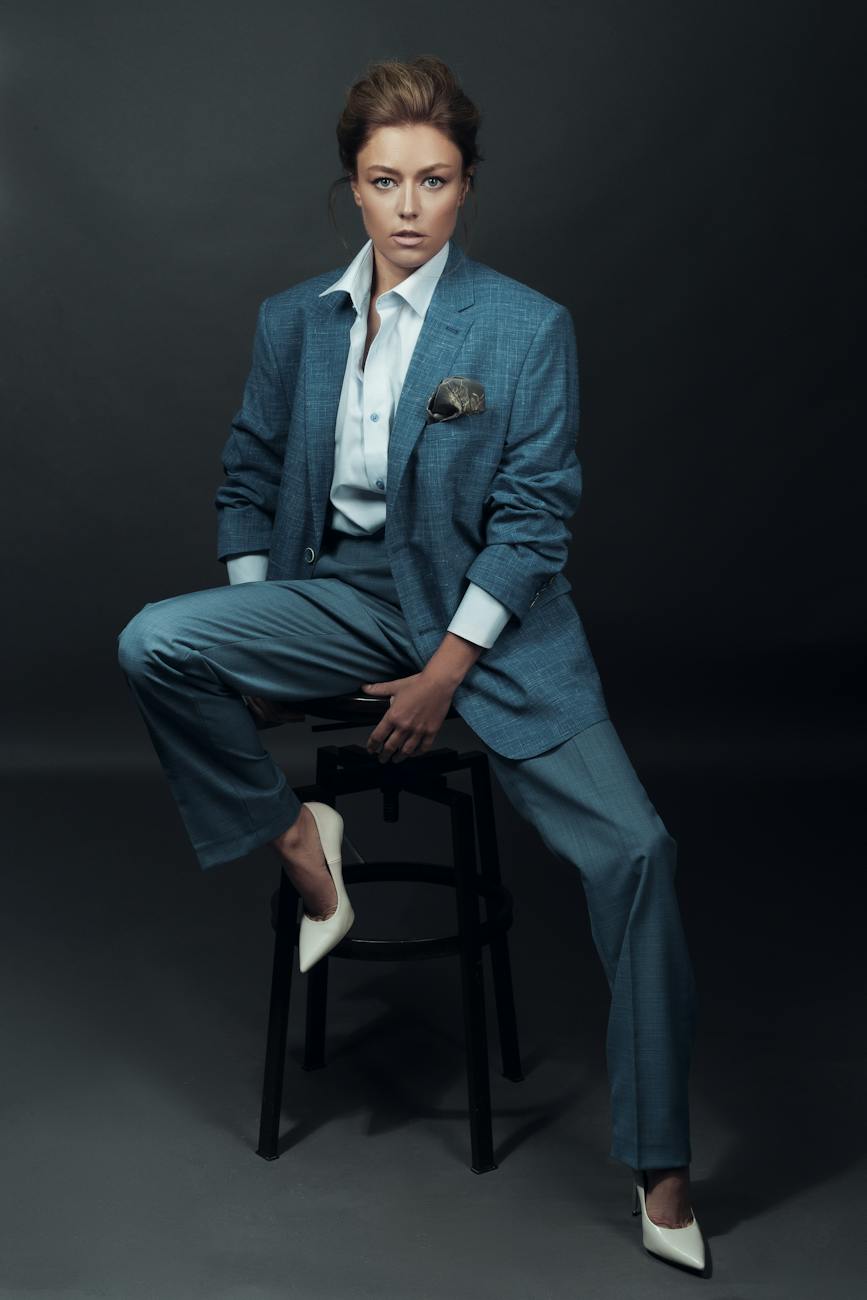
Take the example of “power outfits.” Some may choose to sport four-inch heels because they allow them to feel self-assured and exude authority, while others may loathe it as it makes them self-conscious. Without the power outfit, do we maintain the same confidence? Or do we become a different person? Thus, fashion becomes a medium that allows us to express ourselves while allowing us to be who we want to be in the eyes of friends, family or even strangers. In this way, fashion seeps into everyday life and becomes a key component of our identity.
Before we were exposed to social media and the latest “trends”, our parents and caregivers decided what we would wear. We were too young to express our opinions on the outfits we were dressed in, which led to dinosaur-inspired jackets and pink leggings that we cringe at now. Looking back at old outfit choices from our early years can lead to self-reflection and, in some cases, self-rumination. It may be an outfit your mum dressed you in when you were five years old or a top you borrowed from a friend last week, but every piece of clothing we have ever worn has a story behind it. Old outfits allow us to reminisce and reflect on how we have changed over the years. We connect pieces of clothing to specific memories, such as a pair of sneakers to a hiking trip in New Zealand. These memories forbid us from forgetting the different personalities and characters from the past. We may regret some of our outfit choices, but everything we have worn, from our Winnie the Pooh Halloween costumes to our Air Jordans, defines us.
As we grow older, fashion becomes synonymous with many aspects of our culture, such as stories, history and traditions, which have been passed down to different generations. Fashion helps us embrace our cultural identities as we learn more about our values and heritage. Thus we keep our history relevant as we carry our traditions into the future. From the plaid of the Scottish kilts and tartans to the draping of the saree in the traditional Kodagu style, by wearing our family’s heritage, we bridge generational gaps and discover more about ourselves and our familial identities while also keeping our culture alive in an ever-changing global society.
However, with the pervasive influence of globalisation and the passage of time, trends have seamlessly permeated every corner of the world, extending their impact on our wardrobes and individuality. Trends, when paired with an influencer that we idolise, have a huge impact on our decisions and choices. Seeing a role model you identify with or a friend wearing a piece of clothing may influence you to wear the same piece of clothing. In a world where we get swayed by grandiloquent marketing, how do we know whether our style is a genuine window into who we are, or simply the evidence of the influence these trends have on us? We do get influenced by marketing campaigns and flashy posts that show up on social media, but it is our algorithm that puts it there. Here lies the complexity of fashion- it can make us stand out or render us as unidentifiable figures that have fallen prey to microtrends and social media marketing.
Fashion aids us in expressing our beliefs and culture, helping us connect to our family, friends and role models while keeping us in touch with ourselves. We may not realise it, but our outfits of the past play a role in who we are today. Our outfits through time have been different expressions of our identity, different versions of the same person. Fashion allows us to dig deeper into our roots to understand our heritage while we reflect on our past identities and anticipate our future individualism.
 The Casual Observer