by Anantika Srivastava
Heraclitus, a Greek philosopher once said that “Change is the only constant in life”, which I believe is starkly true. Our world is ever-changing, with the discovery of new resources and the inventions of new technology. These breakthroughs in technology are what have created the modern platforms we know today, generally classified as “social media.” However, has our prolonged usage of social media platforms started to affect our sense of identity and our capability of introspection?
Before we deep dive into the numerous negatives, let’s talk about the various positive effects social media has on individuals in terms of identity. Social media platforms allow people to create new identities, through methods of setting your username, setting your age, and setting your hobbies. The freedom that comes with the anonymity of social media is empowering to many, enabling them to express themselves openly without fear of judgment. This quality of social media platforms has made them a popular form of journaling, in a digital space.
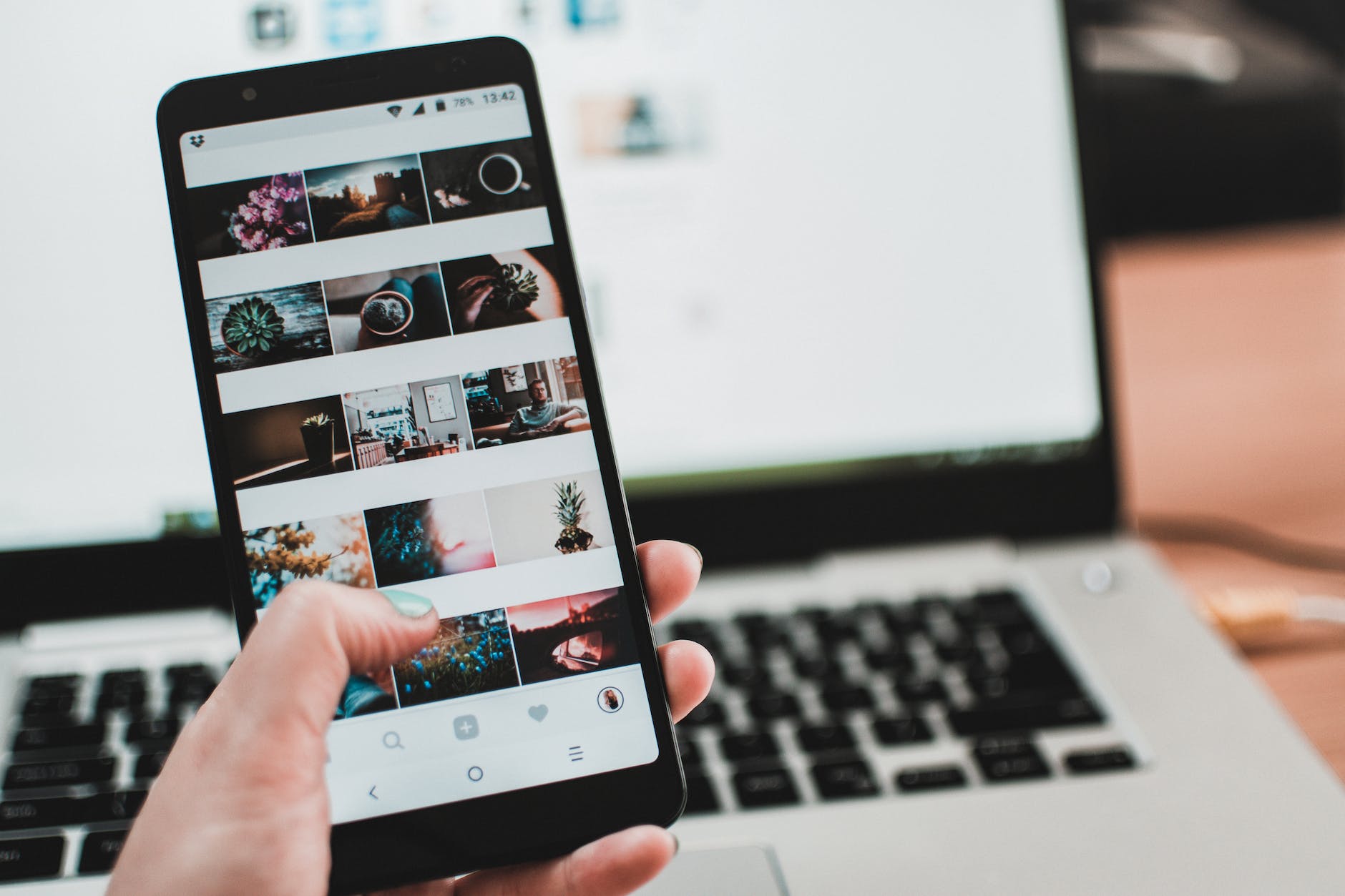
Additionally, social media platforms, such as Instagram and TikTok, use AI algorithms to cater to each user’s preferences. This helps unite people from various backgrounds who share similar experiences, thus providing connection and support for struggling individuals, such as people recovering from eating disorders, substance abuse, addictions and several others.
Social media aids in fostering a community of like-minded people, helping users have a more secure sense of their identity and opinions. Moreover, social media also allows people to connect, whether they are in the same city or on different continents. Its capacity for globalisation helps in exchanging cultures from around the world, opening people’s eyes to different perspectives and making individuals more sensitive and respectful.
However, every rose has its thorns. Social media also has many negative effects on individuals’ capability of introspection. Since social media allows people to create new identities, most people tend to create carefully curated personas which deviate from their true identities and beliefs. This harms both viewers and users. The people who selectively present aspects of their lives in a way that makes them seem more appealing to the audience, experience the ramifications of their actions. They may find themselves needing to maintain that facade of perfection constantly, be it on-screen or off-screen, leading to a distorted self-image and mental exhaustion. Furthermore, these people might become reliant on seeking external validation through likes, comments, and shares. This may influence individuals to determine their self-worth from the approval of others, rather than from within.
For viewers, constant exposure to “perfect” people online can lead to self-esteem issues because of constant comparison between their supposedly lacking lives, and the seemingly perfect ones they see on screen. Their anger and resentment, as well as the shelter found in such anonymity, results in a deadly combination: it emboldens viewers, as they believe that they will not have to face the repercussions of their actions. Thus, online users don’t think before they speak (or write). This very power is what has made some platforms, such as Instagram, notoriously difficult to post on, as users do not hesitate to write mean, cruel and hateful comments, seeming closer to monsters at times. It can be said that social media takes away the part of people that makes us humane: our conscience, as it makes us believe that our words are simply pixels on a screen, instead of a thought that impacts others.
If we were to talk about digital algorithms, while having their benefits, they are also the cause of a virtual phenomenon known as “Echo Chambers.” Since social media algorithms often display content to users that aligns with their personal, and possibly harmful ideologies, it hinders true introspection due to individuals being constantly exposed to the same views, thus deluding them into thinking this is what most people believe, and they are part of a bigger crowd. In actuality, this may not be the case.
It is undeniable that social media brings people together and makes the world seem smaller. However, in today’s modern era, I think we should all take the time to look up from our devices once in a while, and simply be. Without the constant stream of information, opinions and expressions, perhaps we may start seeing ourselves and others differently.
 The Casual Observer