Shreya Narayanan
“History’s deadliest colour” according to Ted-Ed is a luminous shade of green, discovered in 1898. As soon as the public laid their eyes on it, it became a boon to fashion, adorning jewellery, cosmetic products, and more. Just as a moth to a flame, people too fell head over heels for this colour. However, years later it was revealed to contain radium, a radioactive element. In the end, this event proved one thing: humans love the colour green, and I am no challenger. Just as luminous green had sunk its venom into people, it too had spread into various aspects of my identity, ranging from academics, arts, and beyond.
This appreciation for the colour green seems to prove itself, may it be in symbolisms in media, literature, arts, and academia, green paints itself as soothing, tranquil, life, growth, renewal, and even the dread of envy and jealousy. But how you perceive this colour will inevitably be different from how I may love this colour. According to the science of colour psychology, the like or dislike of a certain colour stems from our associations with it.
To me, green is not simply a shade, rather it’s a representation that brims far more than appearance. To preface this is my connection, but to you, it may be another colour or theme that connects who you are, which unbelievably can blossom a newfound appreciation towards your green.
My green represents my academic life, an important aspect of a student’s life. As I try to improve my results with each passing test, the happier I am with the result, as it represents the fruit of my labour, which is reinforced with the flashing green-inked smiley or encouraging remark. This is not the only way Green has snuck into academia. The small victories – like the sense of relief and tranquillity that wash over me as I mark that daunting task done or the green tick mark next to each right answer on a quiz – are all washed in green. According to some studies, green used in a learning environment serves as a stimulant of relaxation, calmness, and motivation, which has appeared in my academic life time and time again.
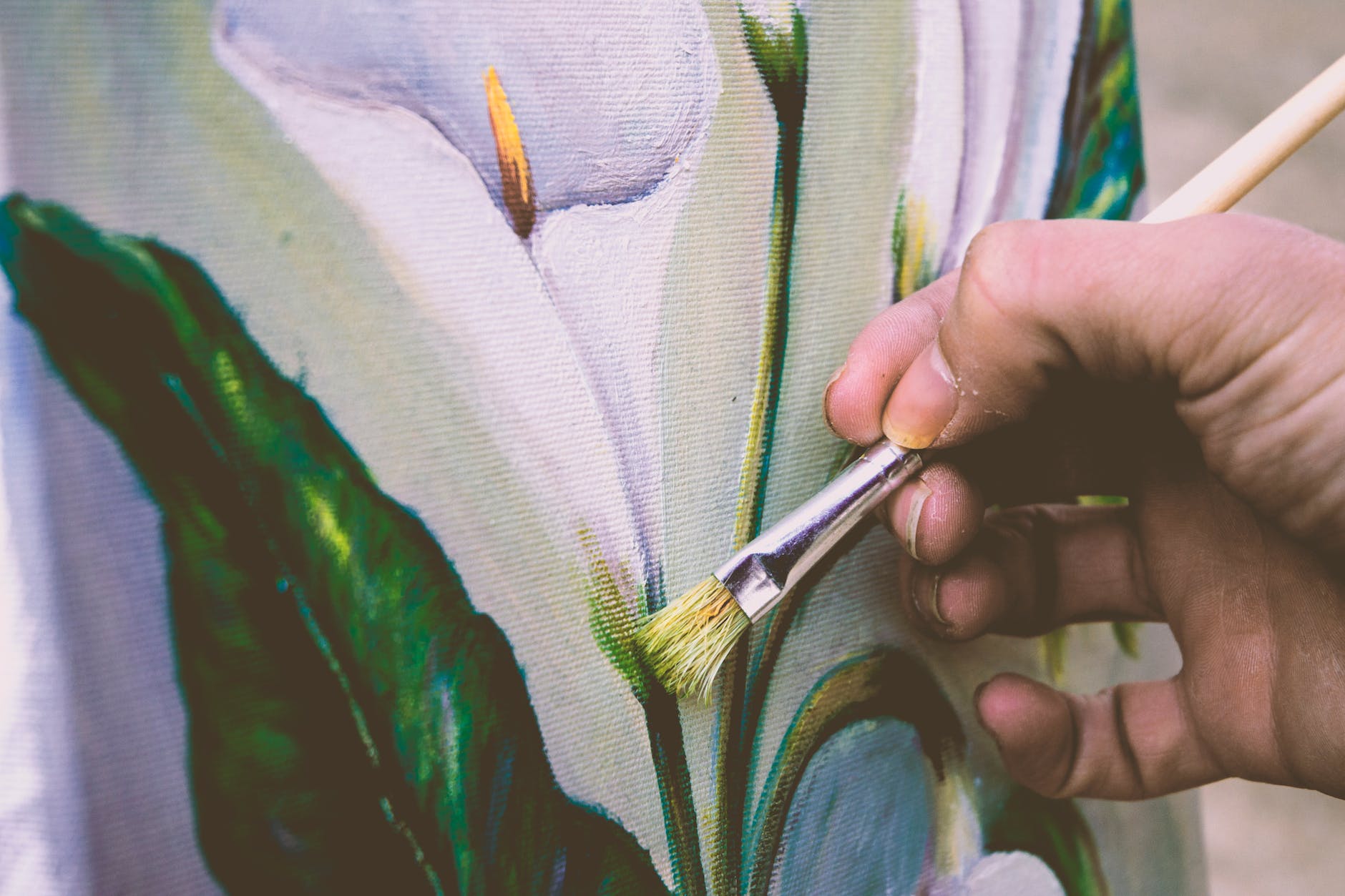
With the ever-present stress of school looming over students, we often look to activities like art to wash away our worries. Even with impending deadlines, I find myself squeezing out copious amounts of green paint onto my palette and plastering it across my canvas. I can’t help but feel the relief of art and the tranquillity of the colour green.
No matter how many cold sweats of anxiety poured, I am always in a state of euphoria. This is no coincidence as 81.1% of individuals have reported being relieved from the treachery of stress after doing art according to the NIH. This is the main reason I do art. Not to mention, how colour psychology suggests that green represents calmness and tranquillity, being at peace despite whatever Bob Ross hurled at me.
The colour green has managed to summarise and conquer the two main aspects of my identity – my academic and leisure life – and I could go on about its transcending impact on other facets of my identity. Just as academia and arts are a part of me and who I am, so is green. Although I have found the ribbon that ties together my growing identity, I encourage you to find your green as well.
 The Casual Observer