by Ritvik Shekar
As students of the IB Diploma program, tight deadlines, insufficient sleep, and exam stress are all familiar to us, but it isn’t often that we take the time to process the compounding detrimental impact that such pressures have on our mental health and well-being. As teenagers, balancing schoolwork with extracurricular activities and social engagements can be overwhelming, often resulting in students tumbling down the wrong paths to cope with such stress. 50 studies conducted by the University College of London across a range of countries concluded that adolescents with perceived higher levels of stress relating to academic pressures were more likely to experience mental health problems, including anxiety and depression.
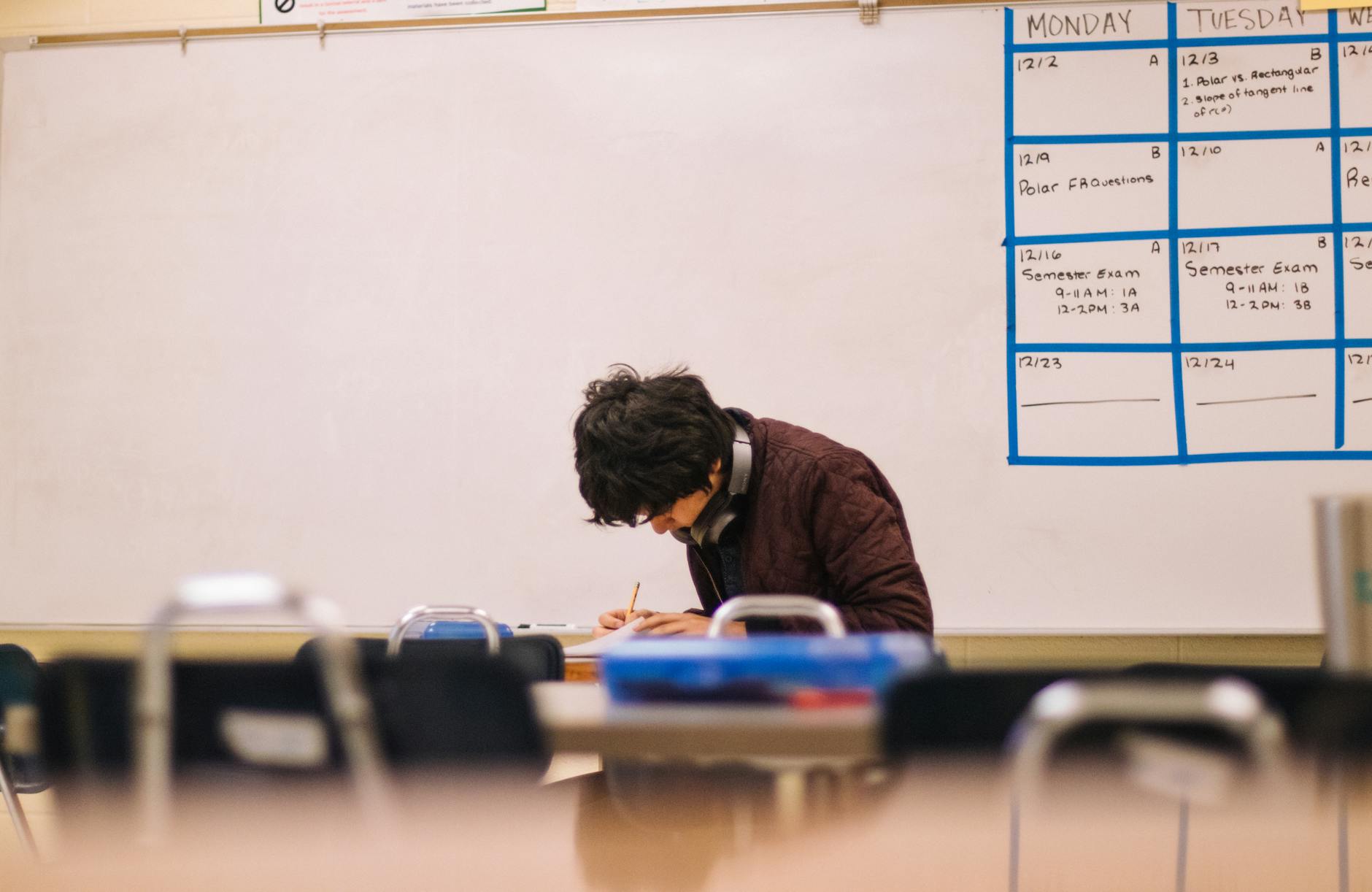
The academic environment in high school is intimidating, with studies showing that the average high schooler spends 7-12 hours on homework per week. On top of this, students have to squeeze in time to build their college resumes, not to mention time for relaxation or for pursuing personal interests. Consequently, students are constantly bridled with the feeling of being overwhelmed, supporting a study conducted by the American National College Health Assessment, which revealed that between 2019 and 2020, 54.7% of students in high school and college faced crippling anxiety and stress associated with academic pressures.
This anxiety and stress often spill over into the other areas of the lives of students, with the workload forcing all-nighters that lead to a lack of focus in classes and a continuation of this vicious cycle. According to the National Sleep Foundation in the United States, average sleep among teenagers has deteriorated from 8-9 hours a night, to 6-7 hours. This puts them at a higher risk of contracting health problems such as depression and anxiety disorders. Moreover, this poisonous cycle also takes its toll on relationships with families and friends, as students become increasingly preoccupied with their academic responsibilities and deadlines, further to the detriment of their mental health.
While most students may face these hurdles with the perception that they are struggling in isolation, the pressures of high school can be widely regarded as a rite of passage. This is when students learn to juggle the seemingly unending workload with a healthy social life and more, without crumbling under the immense pressure on them. The adversity of academic pressure can be difficult to deal with, but it ultimately inculcates values of perseverance and resilience necessary for students to mature. Simply knowing that we are not alone in our daily struggle can be enough to lift the burden ever so slightly, pushing us towards our goals and dreams.
While it is easy to say that the stress of high school is normal and to be expected, it is much harder to learn to overcome it. There are numerous ways in which students can live their lives with a much healthier balance between school and other responsibilities, the first and foremost of which is maintaining a balanced sleep schedule. Sleep is the most important factor that studies attribute to both physical and mental well-being, thus boosting cognitive function, and reducing anxiety in the process. Additionally, staying organized with the workload can help students significantly in tackling their work, hence improving their productivity and efficiency.
It is crucial that students communicate their situation with their loved ones in attempting to deal with the academic pressures of high school. Simply talking to others about what one is going through can take a lot of pressure off one’s mind, allowing them to ease the anxiety from their schoolwork.
High school can be a daunting milestone for many, but by leading a healthy and sustainable lifestyle, we can very easily avoid the toxic cycle that threatens teenagers all over the world today.
 The Casual Observer