by Aditya Bhatia
A land of unparalleled beauty, with a vibrant mix of 780 different languages and rich traditions, India stands as one of the most diverse countries in the world. From the snow-capped peaks of the Himalayas to the lush backwaters of Kerala, India’s geographical diversity is mirrored in its rich linguistic landscape. However its linguistic and cultural wealth is under threat today, even though it is scarcely acknowledged.
As generations pass, our culture continues to transform itself to fit today’s modernity. According to a UNESCO list, approximately 220 languages have been lost in India since 1961. If this seems like a small number, think about the communities that have lost their identity and place in society, think about the people who no longer know what their native language was, and think about the loss of heritage that they face today. This issue has persisted for a long time, but we often overlook its profound impact on our cultural heritage and identity.
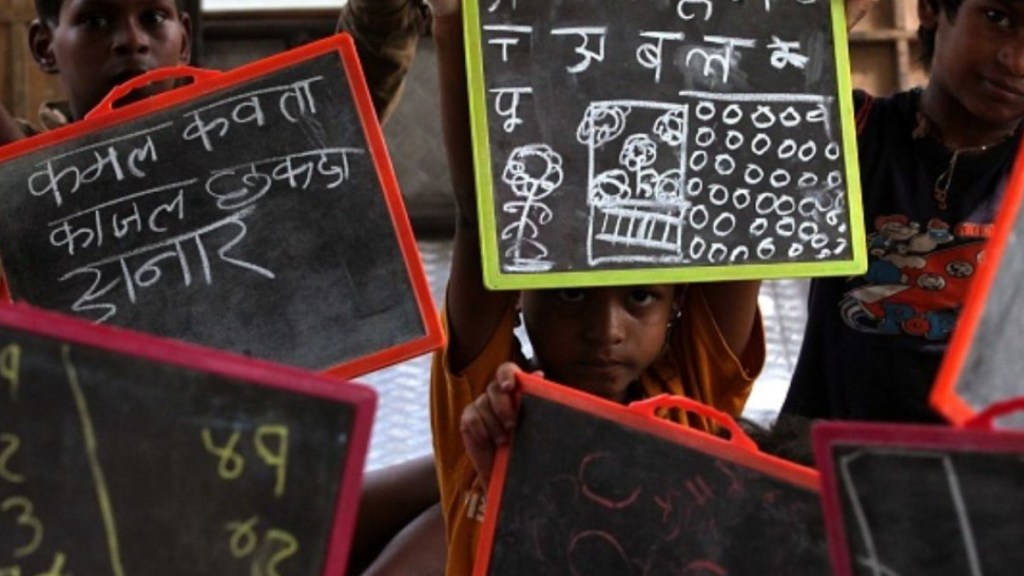
Due to rapid development of technology and increasing ease of access to it, learning and adopting major languages like English and Hindi have become easy. This has resulted in a mass marginalisation of regional tongues, pushing them to the brink of extinction in an increasingly interconnected and globalised world. Would you like to live in a world where we all spoke the same language, behaved the same way, dressed identically and practised the same traditions? In my opinion, a society which does not possess a cultural identity has no chance at growth.
We must remember that being united and connected globally is vastly different from adopting a new culture. It involves sharing your experiences, elements of your traditions and stories of your community with others while simultaneously learning about theirs.
Today, more than 500 languages are at the risk of extinction. This is not just the loss of a language, but of a whole identity, of a multitude of emotions and countless stories of individuals who once accorded importance to their native language. Whether we as Indians live in our nation or abroad, it is our responsibility to maintain the richness of our culture.
Government programs will exist, policies will be put into place but no effort will bear fruit if we as individuals don’t undertake the responsibility of giving importance to our tradition and languages. From small practices like touching elders’ feet as a sign of respect to celebrating our festivals with joy and enthusiasm, our actions today will decide the heritage that future generations will carry forward.
The point of this article is not to tell you that you should not explore and learn about languages and cultures outside India. In fact cultural engagement is at the core of India’s values, it is the reason for its diversity today. However, languages are our heirloom and our culture is our heritage, so it is our responsibility to connect with our roots first and become one with the identity of our country. Together, let us bring to light the untold stories of wisdom and richness that reside within our own diverse languages and traditions.
 The Casual Observer