by Nandita Kanodia
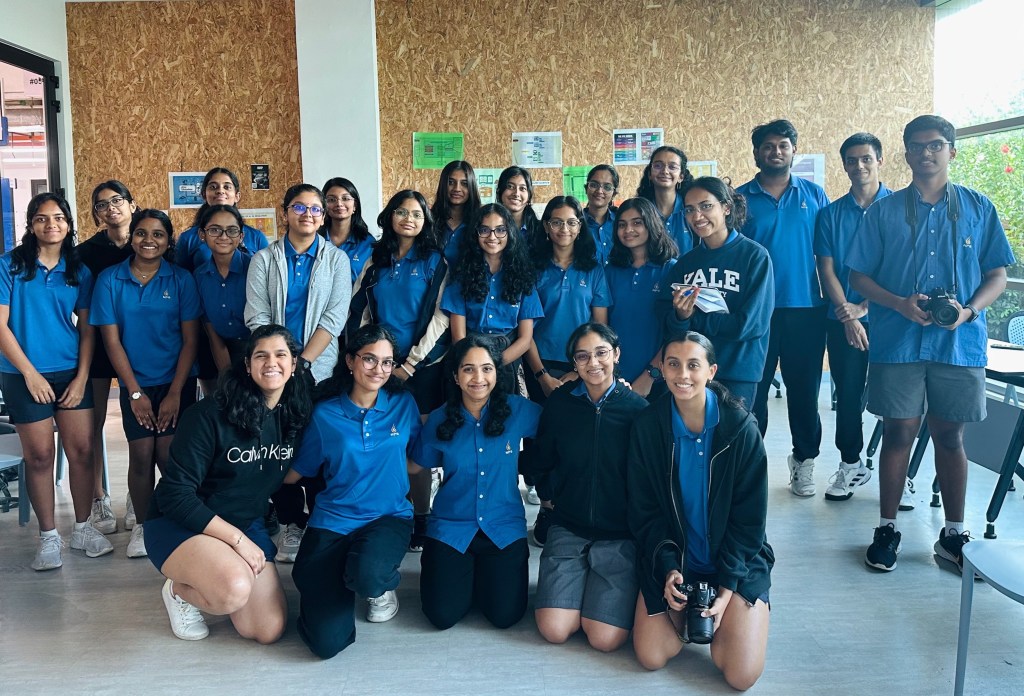
Mental health and photography are often discussed individually, but merging these two topics might seem unusual. However, at the Shutter Therapy workshop conducted by the Serenity Spectrum Collective and the Casual Observer, we did exactly that. Shutter Therapy was a collaborative workshop focusing on the role of artistic photography and photojournalism in mental well-being through which we raised funds for the Singapore Association for Mental Health.
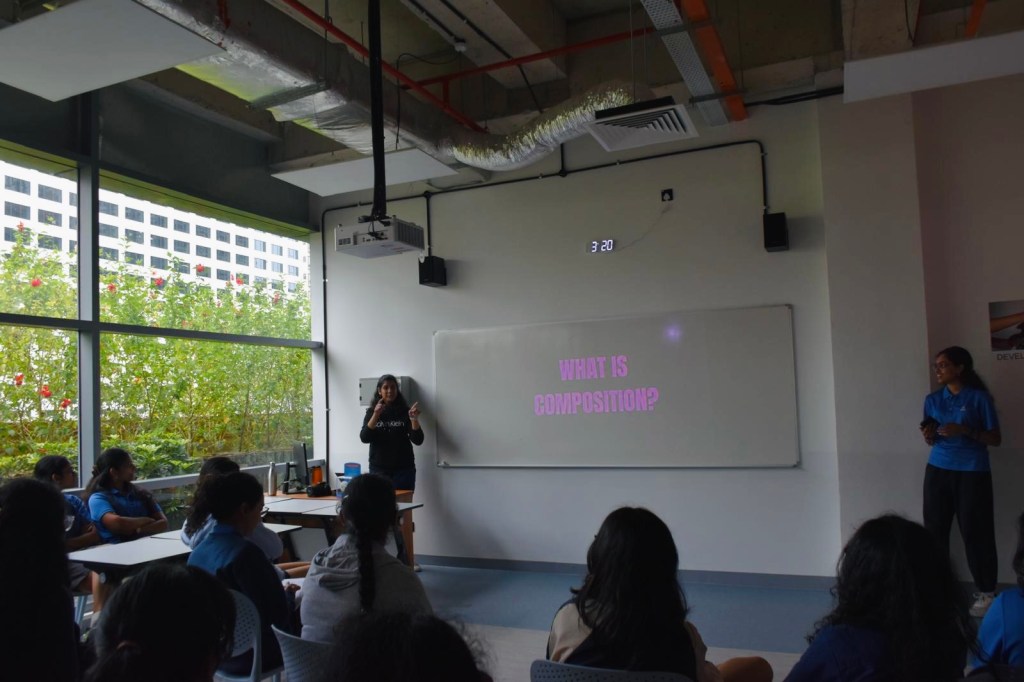
Starting off with a flash of information, participants were acquainted with the basic rules of composition, perspective and other photographic techniques, and how these can be enhanced with the stylistic writing of photojournalism.


Participants were also invited to share their thoughts and interpretations of various mental health-themed photography pieces. This highlighted that photography not only brings this personal and isolating issue into the spotlight; it also serves as a means to improve mental health.
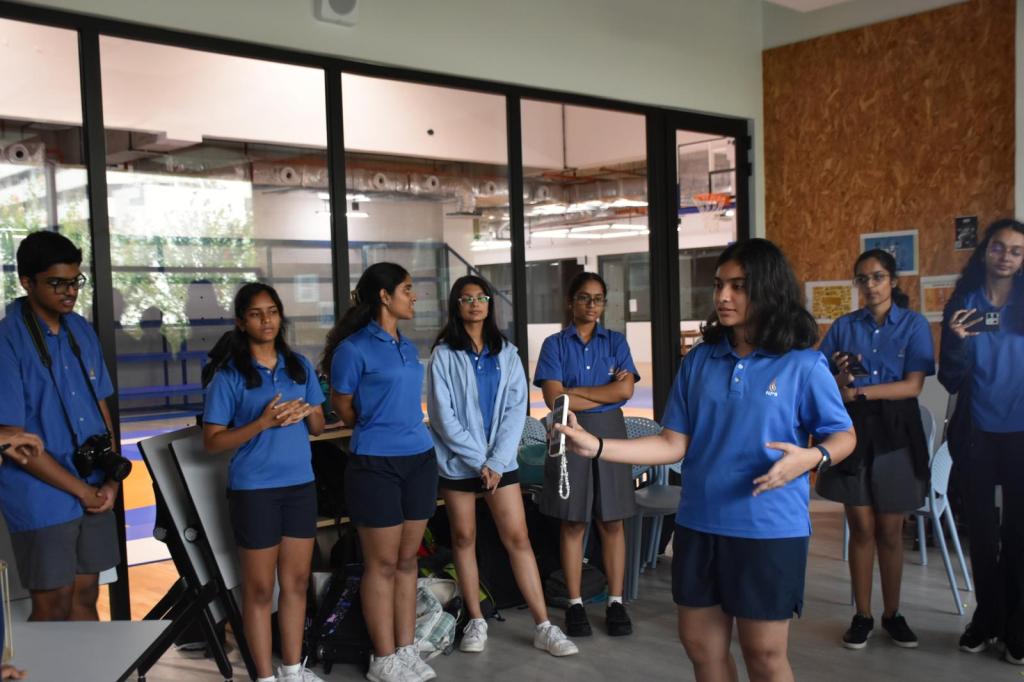
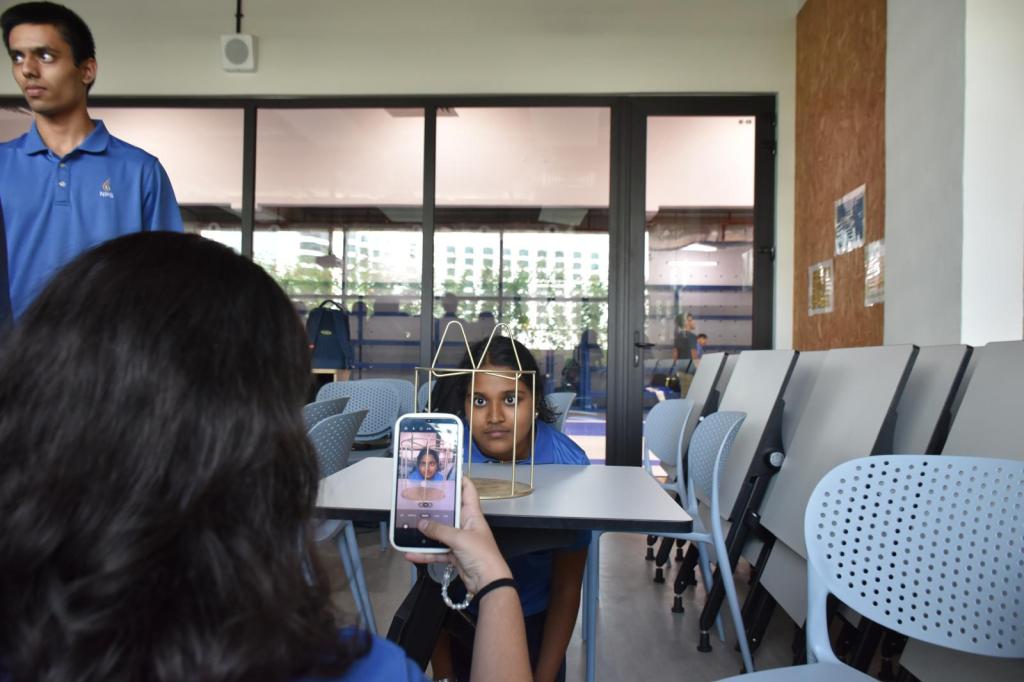
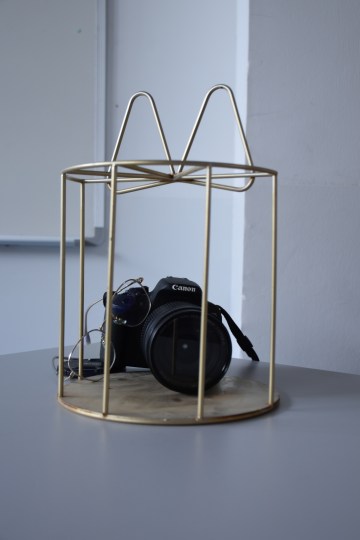
With a developed vision and the guidance of The Casual Observer’s photojournalism and journalism teams – participants stepped behind the lens in their own hands as they experimented with various photography props and techniques at different stalls. Snippets of ideas culminated into a vivid, united image, from a symmetrical analogue clock standing on charred pages to earphones intertwining with the sands of an hourglass. Although seemingly simplistic at the superficial level, these pictures were a complex, relatable commentary on the trials and tribulations of humanity- the mundane, endless loop of time as the clock keeps spinning, or the iron-clad grip of technology on the lives of young people. The participants experienced with various perspectives both figuratively and literally as they framed their photo through the bars of a gold cage or between the pages of a burnt book.

Overall, the ‘Shutter Therapy’ initiative was a resounding success, improving the skills of aspiring photographers at NPS and fostering greater discussion on mental health while demonstrating how creative expression can help improve it.
Take a look at some of our talented participants’ work!

by Dhwani Parmar, 8D
This photograph, with its nuanced lighting and rich textures, highlights the often-overlooked struggles of isolation and overwhelming negative thoughts. Through the symbolism of an hourglass and a charred notebook, I capture the fleeting nature of time and the fragility of memories, urging viewers to reflect on the profound impact of mental wellness. This piece is a visual representation of the importance of acknowledging and nurturing our inner selves amidst the relentless passage of time.
The use of mild, shady lighting that envelops the scene in a sad radiance, emphasizing the different textures of sleek glass and rugged, charred paper and evokes a feeling of isolation, loneliness, or being overwhelmed by negative thoughts, which are common experiences in mental health struggles. The hourglass and notebook are the main focus due to the shallow depth of field, with the background appearing dark and symbolic of the future’s uncertainty.
This picture captures the transient quality of time and the delicate nature of memories. The hourglass, a traditional representation of time’s flow, contrasts with the notebook’s toasted condition, implying a story of forgotten memories and faded moments. The gentle, subtle color scheme highlights a feeling of peaceful acceptance, with the interplay of shadows providing a sense of depth, revealing the intricate inner workings of the human psyche.
The image acts as a powerful symbol of mental wellness. The falling sand symbolizes the passage of time and the sense of time running out, which is often associated with anxiety and the pressure some individuals feel regarding their mental health and life circumstances and in a society that frequently requires continuous output, allowing limited space for reflection. The destroyed journal represents the importance of understanding one’s mental health journey or the therapeutic aspect of expressing oneself through writing and reading and the deletion of individual experiences, a clear indication of how challenges with mental health can result in the silencing or disappearance of one’s inner thoughts. This visual story encourages us to think about protecting our mental health and the narratives that influence us.
In conclusion, my photojournalism piece explores the complicated connection between time, memory, and identity by connecting the subtheme of perspectives to the broader mental health issue. It calls on us to reflect on the importance of our inner selves and the necessity of protecting them amid life’s constant march forward.
by Darshini Premkumar, 9C
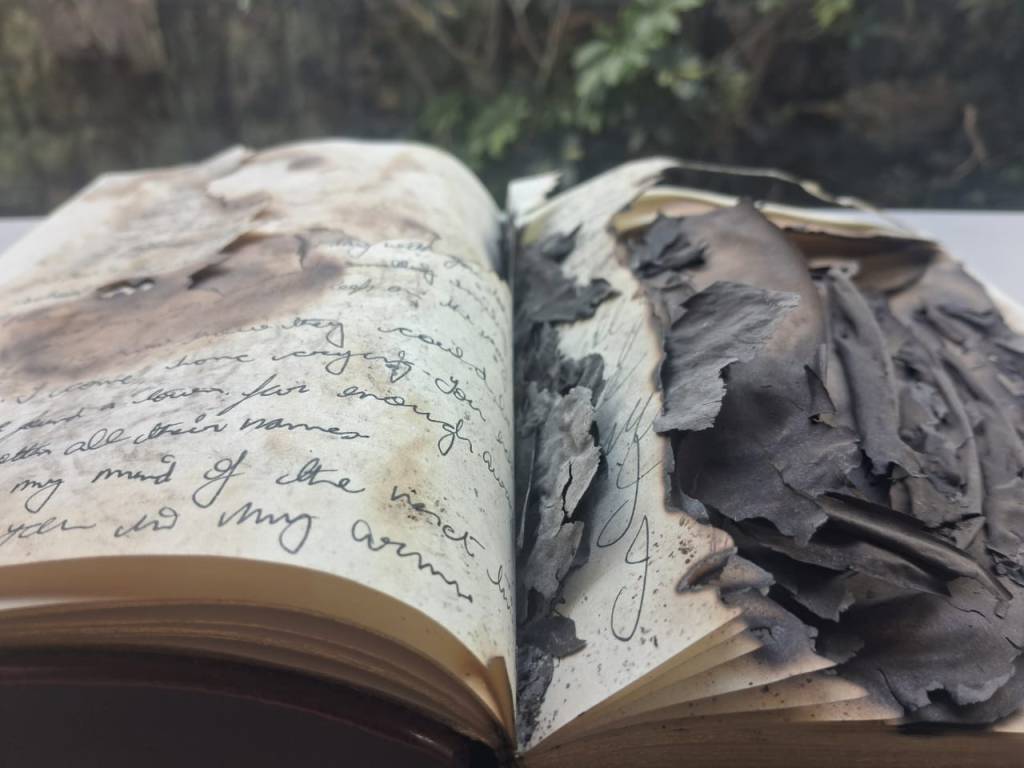
Mental health is a complex tapestry woven from the threads of our experiences, emotions, and memories. When trauma and emotional turmoil strike, they can scorch this tapestry, leaving lasting scars. This photo of a burned book poignantly captures the impact of such turmoil on one’s mental health, offering a visual metaphor for the destruction and chaos that trauma can inflict.
In a serene natural setting, this artefact lies on the table, the burned pages of the diary, curled and blackened. This image serves as a metaphor for the obscured struggles and battles of mental health represented by the burnt pages of the book. The charred pages represent the hidden, and often unseen aspects of mental health leaving long-lasting marks. On the other hand, the surviving words of the burned pages highlight the moments of clarity, symbolising how individuals manage to communicate despite their inner struggles.
The focus on the text and details in the scorched edges of the book draws the viewer’s attention to the damage and the words resiliently surviving in the book. The diary’s scorched pages with surviving words written on top of them, casts a gentle glow that contrasts with the dark and burned part of the diary. They represent the scars of trauma, with burnt edges symbolising the damage inflicted by the painful experiences. Like the fire irreversibly damages the book, the trauma leaves scars of people permanently.
Both of the colours symbolize the duality of mental health. Where the unburnt pages of the book symbolize deep moments of clarity amidst the darkness of suffering lying in the charred, blackened pages of the book. The diary consists of burnt and unburnt pages, contrasting the moments of despair, yet a spark of hope in between.
The shallow depth of the background is blurred, emphasizing the diary and making it the undeniable focal point of the photograph. The muted and earthy tones of the diary and the surrounding environment add to the somber and grappling mood, reflecting the light and dark experiences of mental health faced by the innocent.
In my point of view, this photograph captures the theme of perspectives. It challenges us to consider the various ways where individuals experience and battle with mental issues. The book forces us to look beyond the surface, but the unheard struggles of each individual.

 The Casual Observer