by Anantika Srivastava
In modern society, the media is everywhere, shaping how we see and understand current affairs, ongoing events and important happenings. From traditional news outlets to social media, the way information is shared and consumed has an immense impact on our opinions and perspectives.
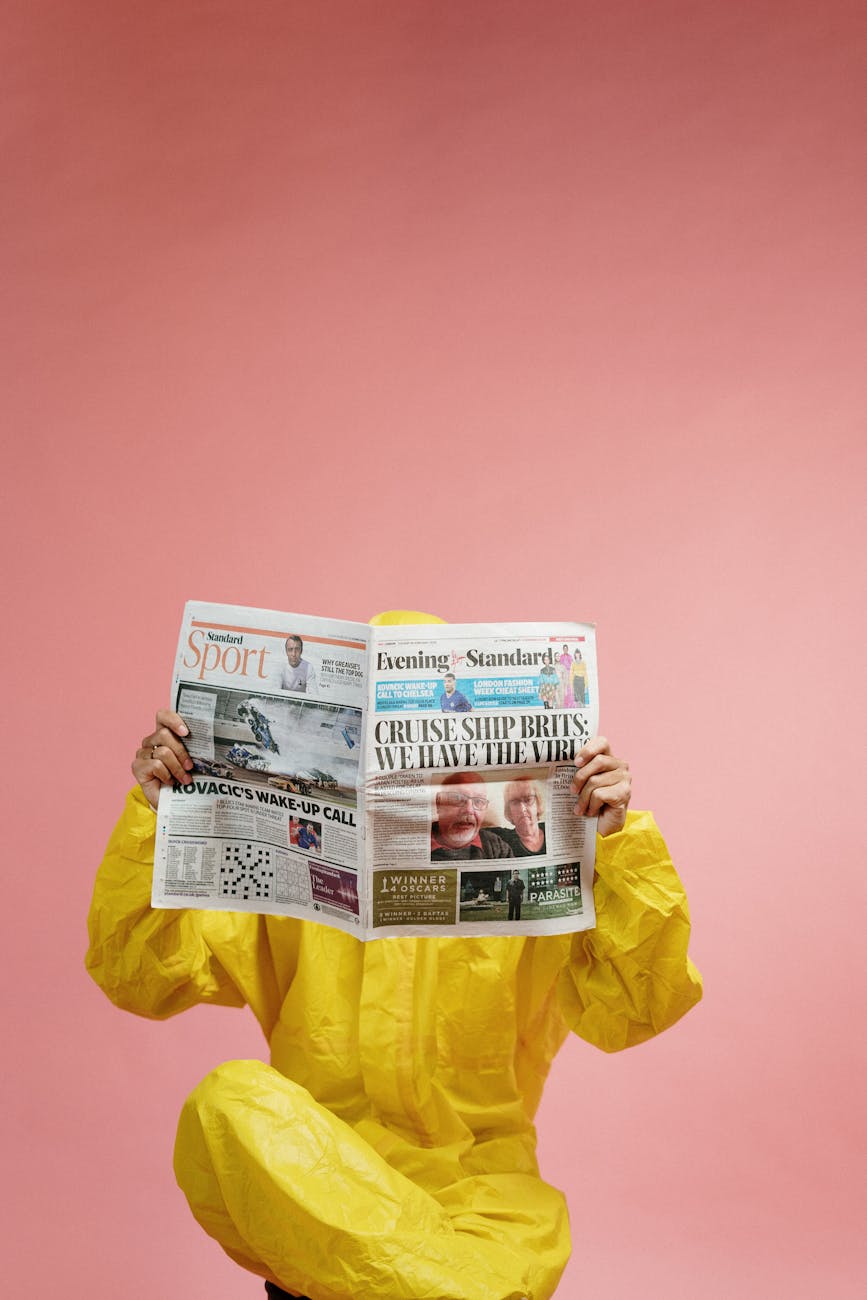
Traditional media like newspapers, TV, and radio have always played a big role in forming public opinion. We often trust these sources because they’re seen as credible. However, the owners of such media outlets can greatly manipulate their content and views. Sometimes, the news we get is biased to fit specific political or business interests, which in turn can affect our views and perspectives on current affairs.
The advent of social media has also completely changed how we get information. Platforms like Facebook, Twitter, and Instagram allow everyone to share their thoughts and stories instantly. This has given power to individuals, allowing voices that were previously unheard to reach a wide audience. However, this means of rapid information dissemination also means misinformation can spread quickly. Algorithms on these platforms often promote sensational or emotionally charged content, creating “echo chambers” where we only see things that reinforce our existing views.
During major events like elections, crises, or social movements, the media’s influence is especially prominent. How these events are covered can greatly affect public perception and reactions. For example, the way political candidates are portrayed can sway voters, and the coverage of social issues can either raise awareness or create misunderstandings.
Misinformation and fake news are major problems in our digital age. False information can go viral, leading to widespread misconceptions and erode trust in media and other important institutions, such as news agencies. This highlights the importance of media literacy – the ability to critically evaluate what we see and hear online. Learning to spot credible sources and understand potential biases is crucial to make informed decisions.
The media also sets the agenda for public discussion, deciding which issues get the spotlight. This means that the media not only informs us but also influences what we talk about and what is given importance in society.
In conclusion, the media’s influence on public perspective is vast and complex. Both traditional and social media shape how we see the world, each in its way. The rise of digital media brings new challenges, like the spread of misinformation and the creation of echo chambers. To navigate this landscape effectively, we need to promote media literacy and critical thinking. For example, many new and reliable websites such as Snopes or Politifact can fact-check details for you. If these websites were to be used daily, more individuals would be able to discern exaggerated stories from honest reports. In addition, incorporating media literacy programs into education systems and workplaces would be beneficial, as small things like checking the author’s credentials and the date of publication are easy ways to identify fake news. These small practices can make big changes, helping us all become more informed and thoughtful about the information we consume.
 The Casual Observer